

Visitor visa refusals have become increasingly common, and many decisions fail to account for the full human story behind an application. One recent case at Fateh Law Corporation highlights this troubling trend — and demonstrates why compassionate, legally grounded advocacy is essential.
A Mother’s Wish: To See Her Son Again
Our client, a 68-year-old widow, had one simple and deeply human desire: to visit her son in Canada. Her son, working on a valid work permit, could not take extended leave from his job. Like many newcomers, he was building Canadian experience, contributing to the economy, and fulfilling his responsibilities. Yet the emotional distance from family weighed heavily on him — and even more on his mother, who was living alone in India.
Despite her genuine purpose of travel, her visitor visa applications were repeatedly refused.
The Problem: A Narrow and Unbalanced Assessment
The refusals were largely based on one issue: family ties.
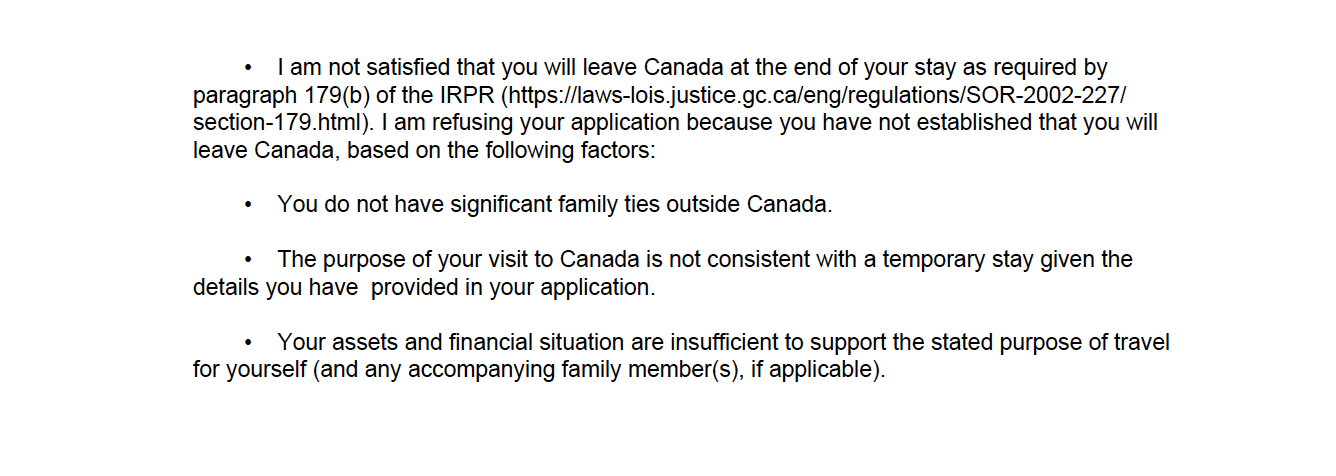 This is where many decisions become unreasonable. Family ties cannot be assessed in isolation. Visa officers must also weigh the objectives of Canada’s Immigration and Refugee Protection Act, one of which is family reunification. When a widow is denied solely because she does not have extensive ties in her home country, while her closest family member lives in Canada, the decision risks being one-sided and incomplete.
Furthermore, vulnerability matters.
A widow living alone at her age may face:
- Emotional strain
- Mental health challenges due to isolation
- Physical or medical vulnerabilities
- Social dependence on her only child abroad
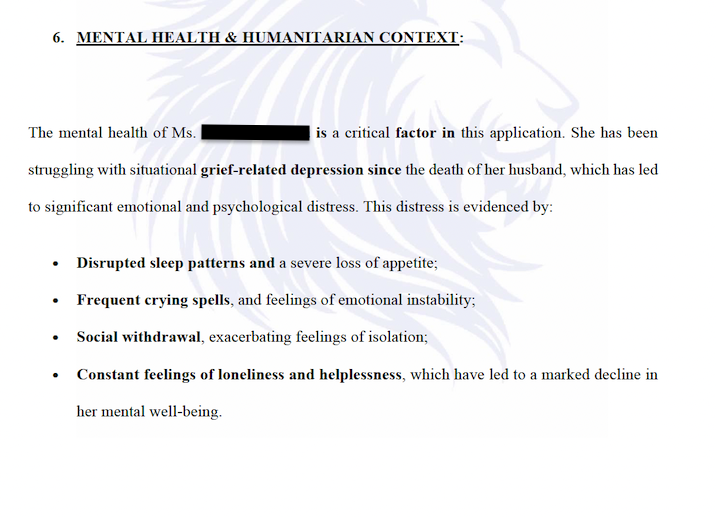 These are not weaknesses — they are human realities. And under Canadian law and policy, they must be considered.
Turning Forms Into a Story the Decision-Maker Cannot Ignore
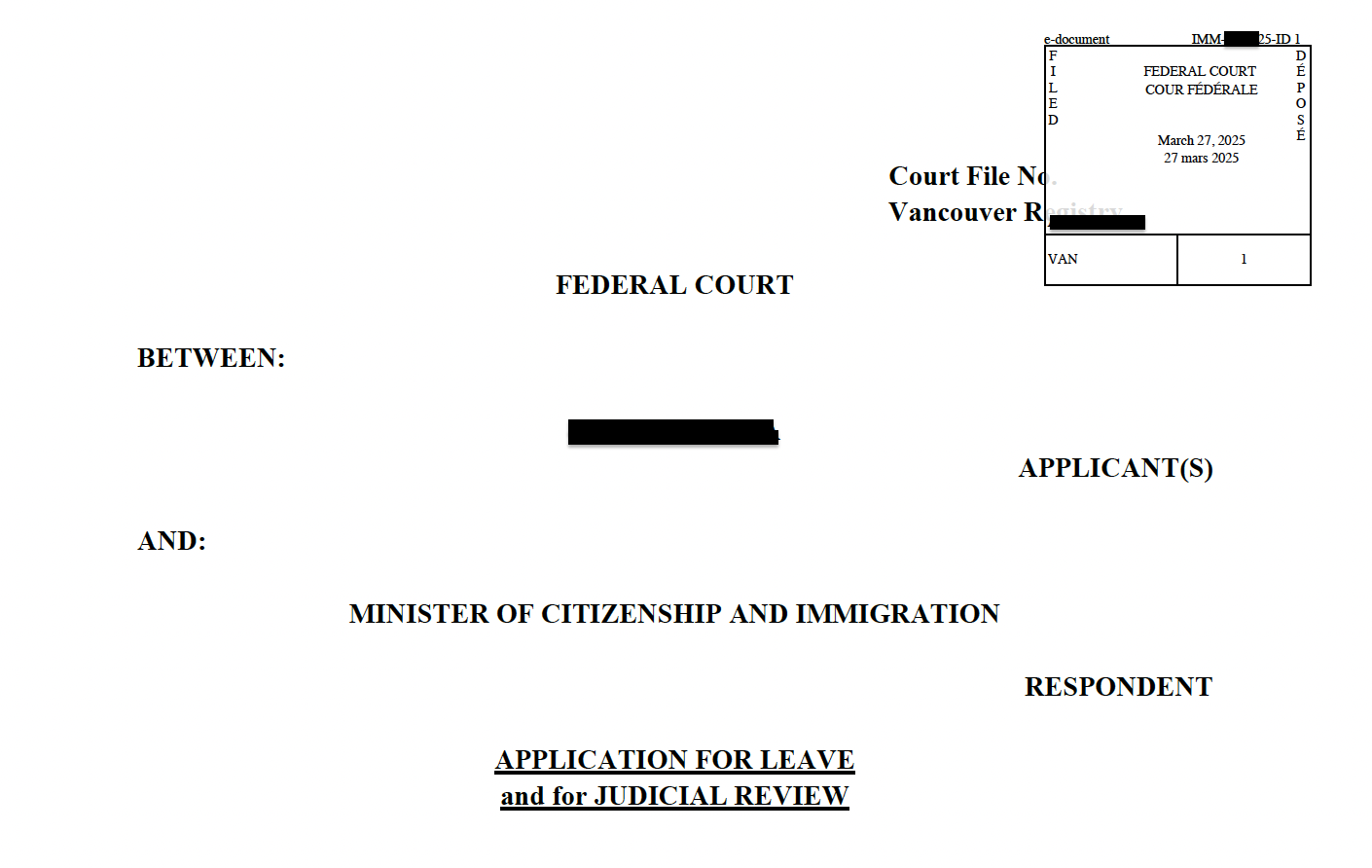
What changed the outcome?
The narrative.
Instead of resubmitting generic forms, we transformed her application into a comprehensive evidentiary record, including:
- A Canadian affidavit that told her story with dignity and clarity
- Detailed legal submissions addressing the law, policy, and relevant jurisprudence
- An explanation of her vulnerabilities and her son’s inability to travel
- Evidence supporting her intention to return after a temporary visit
When officers are presented with a full, human-centered picture supported by legal reasoning, the decision becomes much harder to dismiss.
The Breakthrough: Approval After a Series of Refusals
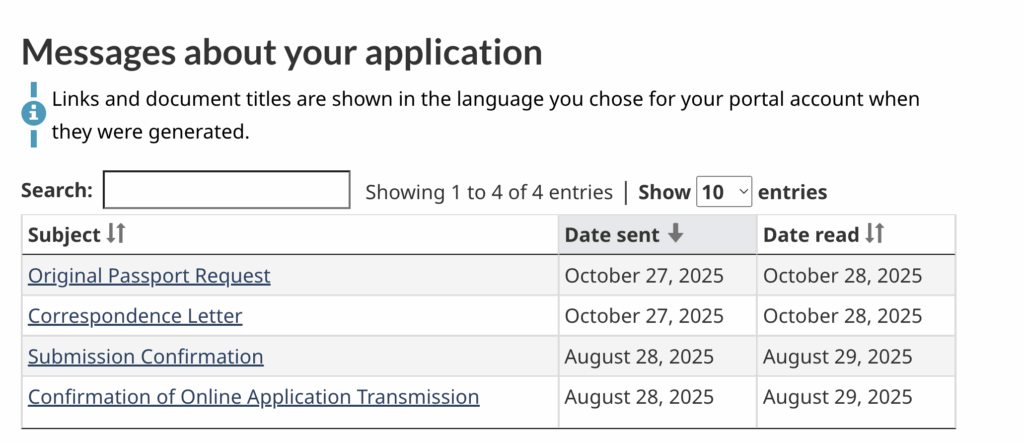
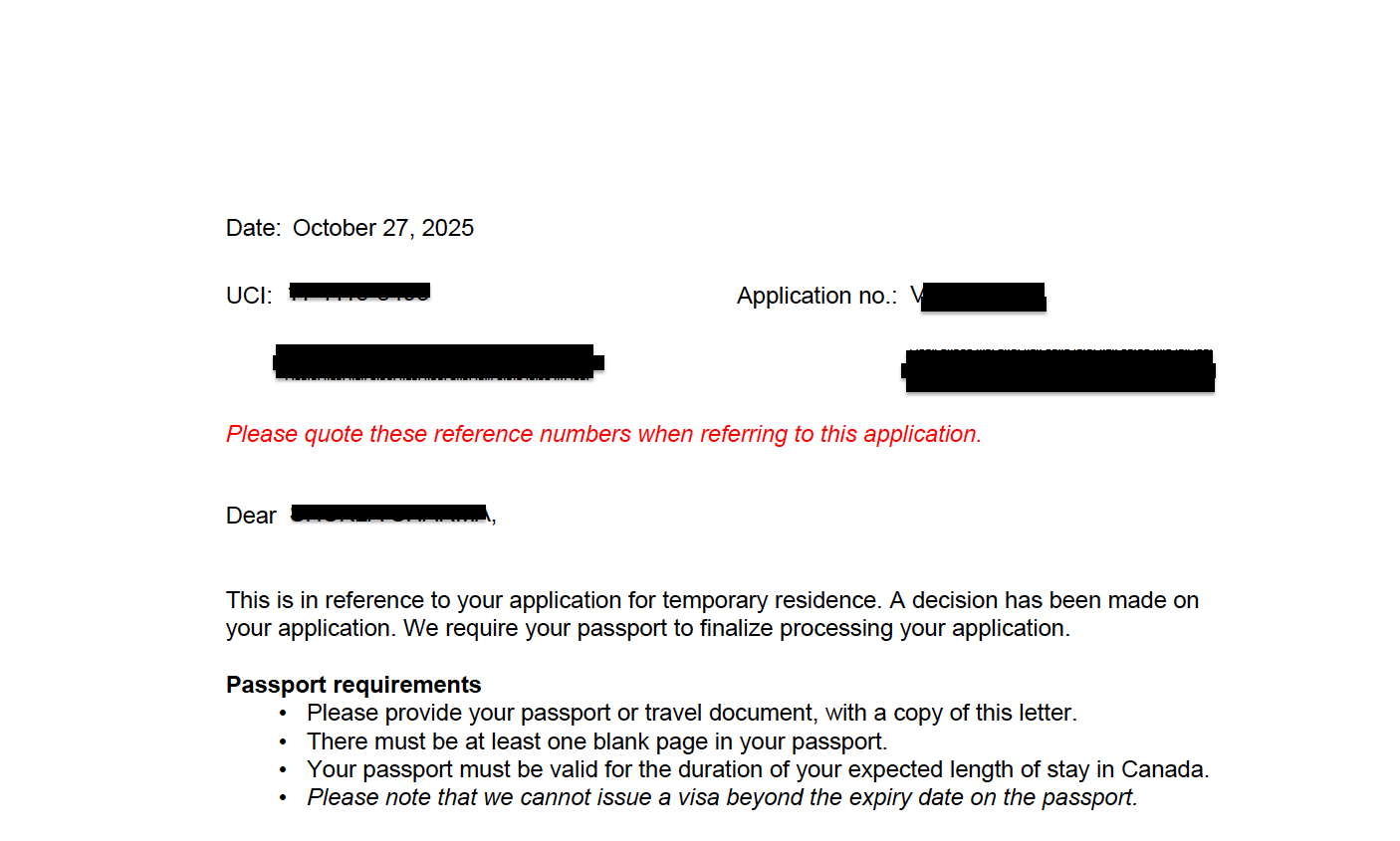 This time, the story was heard.
The application, supported by strong legal advocacy, was approved. After years of refusals, this mother will finally be able to reunite with her family in Canada. Her son, who could not take long leaves due to workplace responsibilities, now has the opportunity to host her and give her emotional comfort in a new environment.
The result was not just a visa — it was dignity restored.
Why This Matters: Family Reunification Must Be Treated With Sensitivity
Canada’s immigration system prides itself on fairness and compassion, yet vulnerable applicants — especially elderly widows — often find themselves caught in rigid interpretations of “ties” and “intent.”
A more delicate balance is required between:
- Protecting program integrity
- Supporting family reunification
- Understanding vulnerability
- Applying the law reasonably
When these interests are properly weighed together, decisions become fairer and more humane.
If You Believe Your Refusal Was Wrong — Do Not Give Up
Many refusals are not the end of the road. They may be:
- Unreasonable
- Unbalanced
- Lacking proper consideration of evidence
- Contrary to the objectives of the Immigration Act
If you feel your case has not been assessed fairly, you may:
- Reapply through a Canadian barrister & solicitor, or
- Challenge the refusal in the Federal Court of Canada
At Fateh Law Corporation, we help clients transform weak files into powerful human narratives backed by law — and we challenge wrongful refusals when necessary.
A Final Word
Behind every application is a family. Behind every refusal is heartbreak. But behind every success is a story told with clarity, evidence, and legal strength.
If you or someone you know is facing repeated refusals, reach out. You do not have to navigate this alone.