

The Dangerous Misconception About Federal Court Settlements
Many immigration applicants believe that once their case is settled at the Federal Court of Canada, the battle is over. Unfortunately, this misconception has cost countless applicants their visas, their time, and their peace of mind.
At Fateh Law Corporation, we consistently see clients who win at the Federal Court—only to lose again during the redetermination stage because they did not receive proper legal representation during the additional document request (ADR) process.
A Federal Court settlement is not the finish line.
It is the most important opportunity in your entire immigration journey.
This blog explains:
- What really happens after a Federal Court settlement
- Why the additional document request is legally critical
- How IRCC redeterminations fail applicants without proper advocacy
- Why stopping legal services after court is a serious mistake
- How Fateh Law Corporation ensures your settlement results in approval
Understanding What a Federal Court Settlement Actually Means
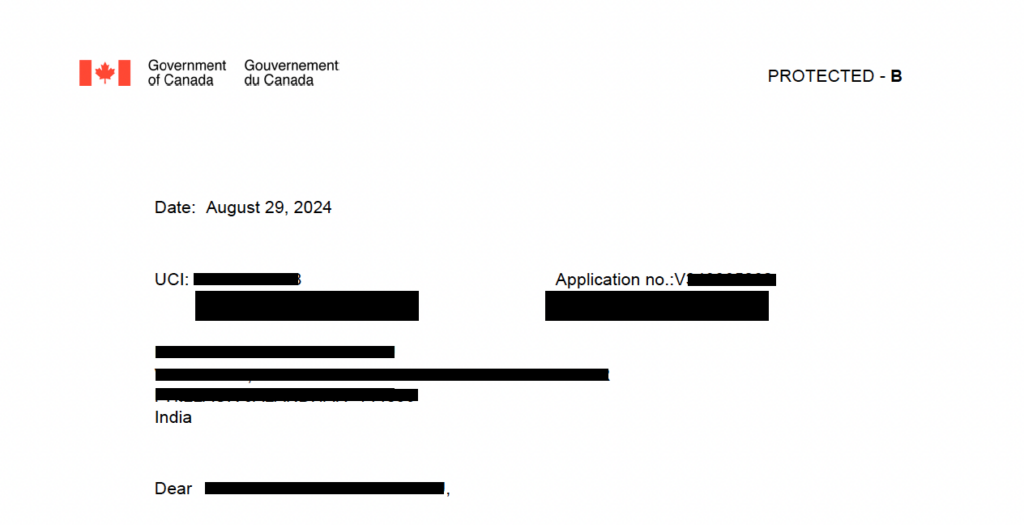
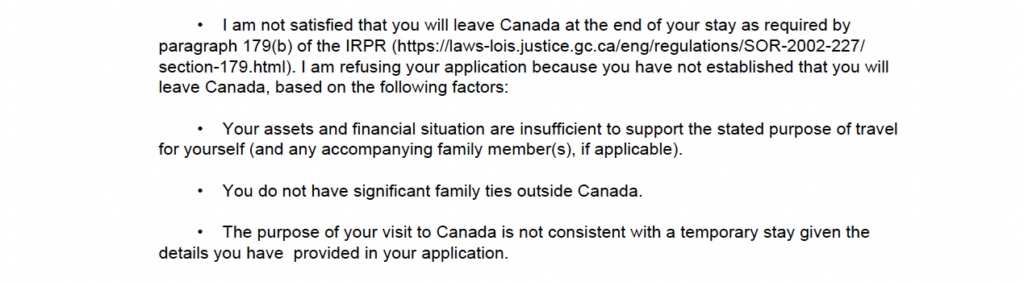
When an immigration refusal is challenged through judicial review, the Federal Court does not usually grant the visa itself. Instead, most cases end in a settlement with the Department of Justice.
A typical settlement includes:
- The refusal decision is set aside
- The application is sent back to IRCC
- A different officer must reassess the case
- The applicant is given an opportunity to submit updated or additional documents
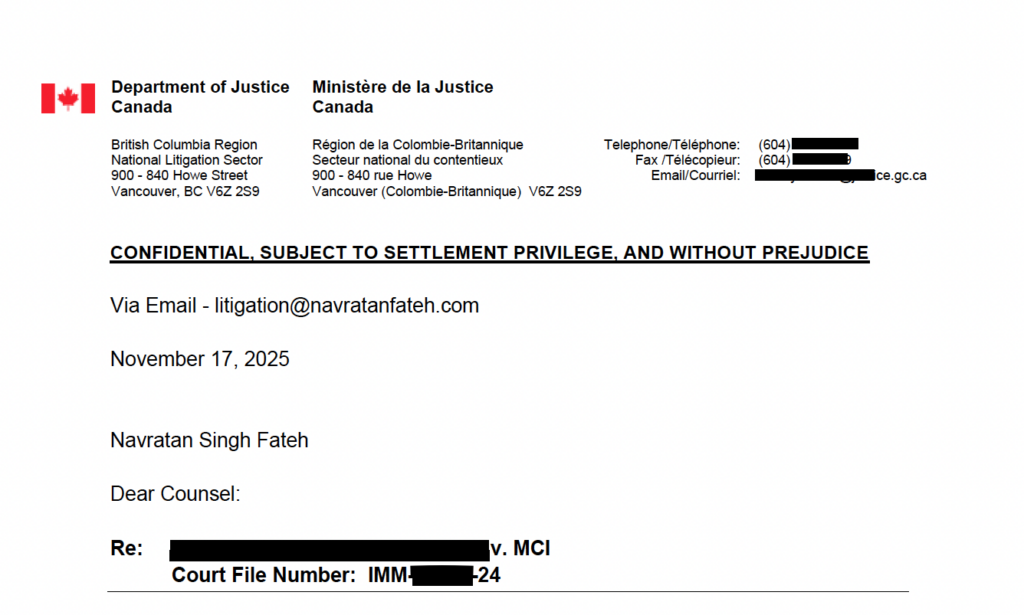
This is known as redetermination.
⚠️ Key Point:
A settlement does not guarantee approval. It only guarantees another chance—and how that chance is used determines success or failure.
The Additional Document Request: A Second Chance That Many Applicants Waste
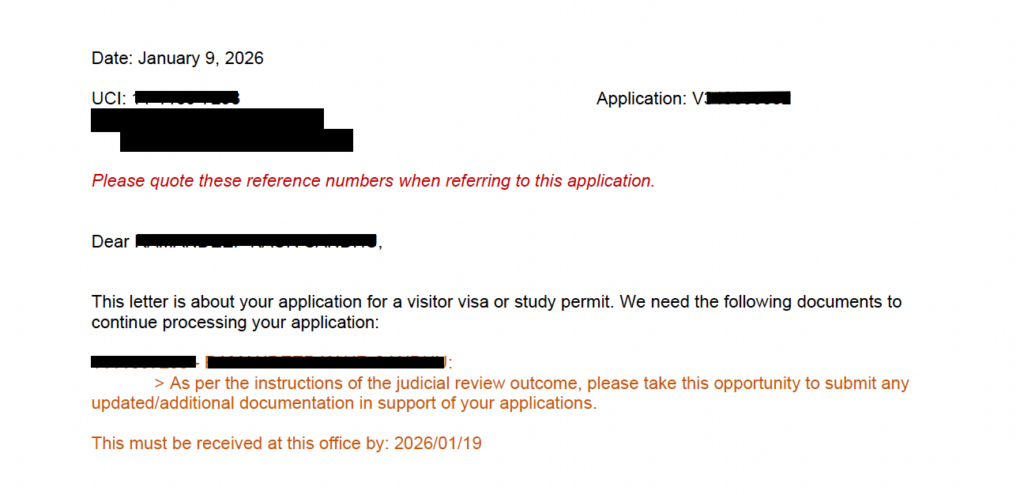
After settlement, IRCC usually issues a brief message stating something like:
“You may submit any additional documents you wish to have considered.”
There are no checklists.
There are no specific demands.
There is no guidance.
This silence is deceptive.
Why This Stage Is So Dangerous Without a Lawyer
Because IRCC does not specify what they want:
- Applicants assume that less documentation is enough
- Critical weaknesses from the original refusal remain unaddressed
- Officers re-refuse on similar or slightly modified grounds
- Applicants are forced back to the Federal Court again
This is exactly what the Federal Court has warned against.
The Legal Importance of Redetermination by a New Officer
When a case is sent back after judicial review:
- A new officer must assess the file
- The officer must act fairly and independently
- The settlement must be respected in good faith
However, officers are human—and they rely entirely on what is placed in front of them.
If the record is weak, incomplete, or poorly explained, the officer:
- May repeat the same concerns
- May reach a new refusal using different wording
- May justify refusal despite the settlement
This is why legal submissions are as important as documents.
The “Boomerang Effect” and Singh v Canada
The Federal Court has explicitly recognized the harm caused when applicants are forced to return to court repeatedly.
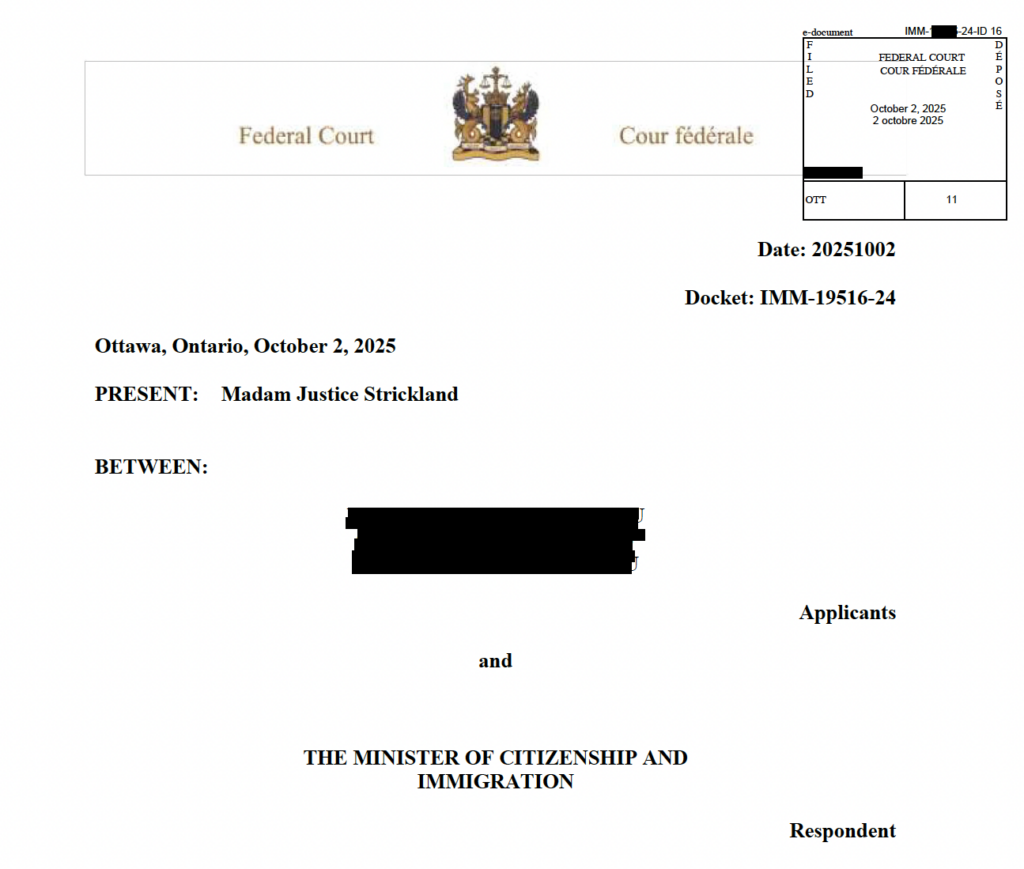
In Singh v Canada, the Court warned against what is commonly referred to as the “boomerang effect”—where an applicant wins in court, is refused again, and is forced into another judicial review.
The Court emphasized:
- The peace of mind of the litigant
- The importance of finality
- The unfairness of repeated refusals after court intervention
At Fateh Law Corporation, we rely on this jurisprudence to remind IRCC that:
- A settlement must not be treated casually
- Re-refusal invites further litigation
- Officers must be especially careful during redetermination
Why Hiring a Lawyer Only for Federal Court Is an Incomplete Service
One of the biggest mistakes applicants make is hiring a lawyer:
- Only to file a judicial review
- Only to secure a settlement
- But not to handle the additional document request
From a legal perspective, this makes no sense.
Why?
Because:
- The ADR stage determines whether the case is finally approved
- Errors at this stage undo all court success
- Federal Court litigation without follow-through is incomplete advocacy
At Fateh Law Corporation, we strongly believe:
A lawyer who fights your case in Federal Court must also protect your interests during redetermination.
Anything less leaves the client vulnerable.
What the Additional Document Request Should Actually Include
A proper ADR response is not a document dump. It is a strategic legal exercise.
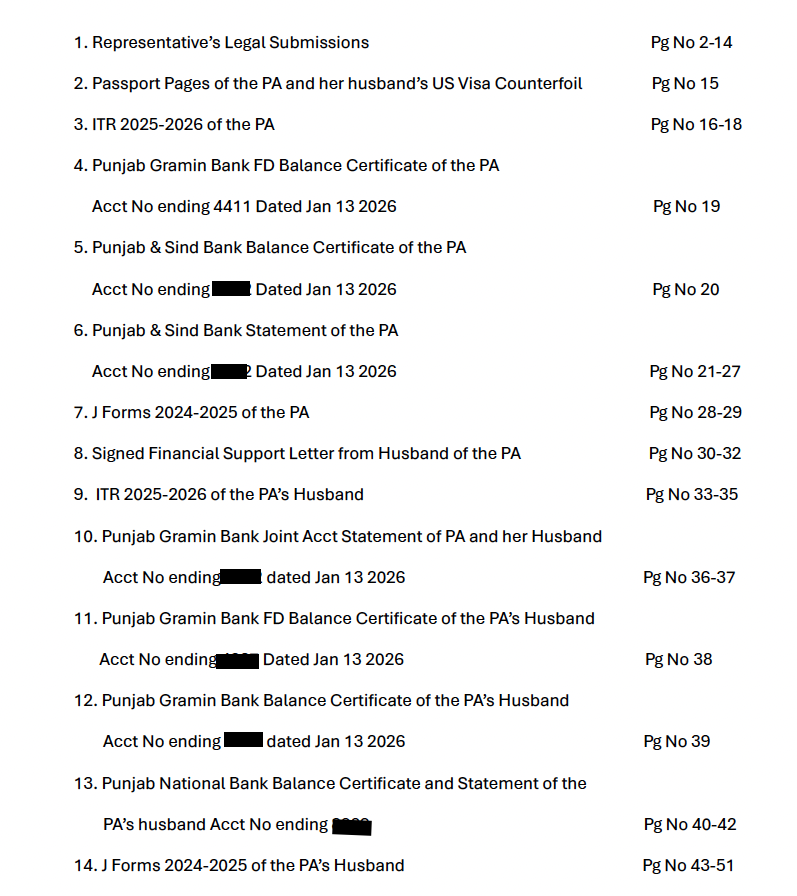
Depending on the case, it should address:
- Every concern raised in the original refusal
- Any credibility issues
- Any gaps in financial documentation
- Updated employment evidence
- Continued ties to home country
- Updated family circumstances
- Travel history changes
- Compliance with prior visas
- New supporting affidavits
- Expert explanations where needed
In One of Our Federal Court Settlements:
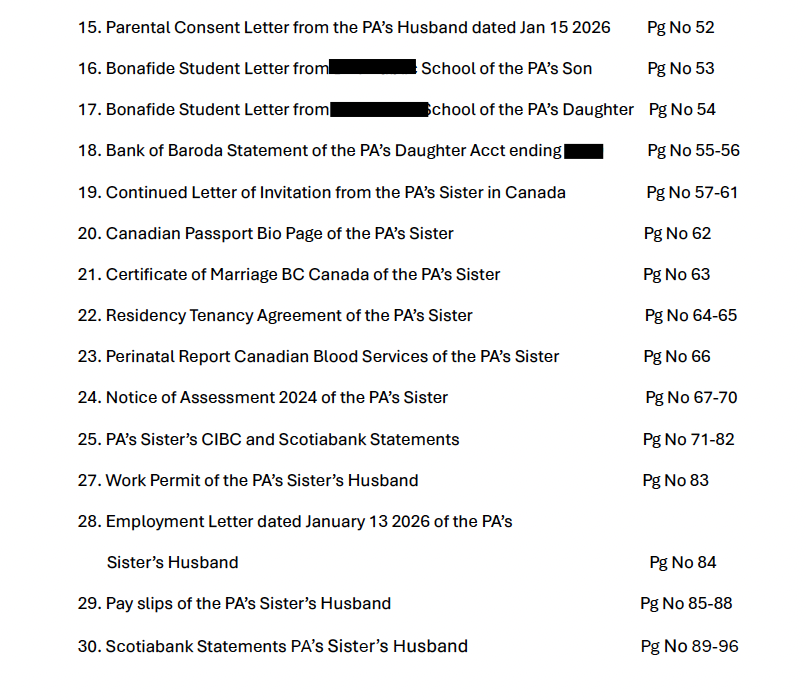
Fateh Law Corporation submitted:
- Over 30 separate documents
- Detailed legal submissions
- A structured explanation of each document
- Clear linkage between evidence and legal tests
Nothing was left to chance.
Legal Submissions: The Most Ignored Yet Most Powerful Tool
Most applicants submit documents without explanation.
This is a fatal error.
IRCC officers are not required to:
- Guess why a document matters
- Connect evidence to legal criteria
- Interpret evidence in your favour
Legal submissions:
- Guide the officer
- Frame the narrative
- Prevent misinterpretation
- Show seriousness and preparedness
- Signal that the file is legally protected
At Fateh Law Corporation, every ADR response includes professional legal submissions, not just paperwork.
Holding IRCC Accountable After Settlement
Another critical role of the lawyer post-settlement is institutional accountability.
We explicitly remind IRCC that:
- The case was settled in Federal Court
- The Department of Justice agreed the refusal was flawed
- A repeat refusal may trigger fresh litigation
- Courts discourage repeated judicial reviews
This is not a threat.
It is a legal reality.
And it ensures your file receives the careful, respectful consideration it deserves.
Why Fateh Law Corporation Charges for the ADR Stage
Some clients ask:
“Why is there a separate fee after settlement?”
The answer is simple:
- The ADR stage requires substantial legal work
- Document review, strategy, drafting, submissions
- This is not clerical work—it is litigation-level advocacy
We are transparent about fees because:
- This stage determines success
- Cutting corners here costs far more later
- A second judicial review is emotionally and financially exhausting
Experience Matters: 12+ Years of Litigation Excellence
Mr. Navratan Fateh has over 12 years of litigation experience, including:
- Federal Court judicial reviews
- Immigration Appeal Division matters
- Complex refusal cases
- High-stakes immigration litigation
This experience matters because:
- IRCC decisions are legally nuanced
- Officers’ reasoning must be anticipated
- Courts expect precision
- Strategy must be proactive, not reactive
Why Clients Trust Fateh Law Corporation
Clients choose Fateh Law Corporation because:
- We do not abandon files after settlement
- We understand IRCC decision-making
- We litigate strategically, not emotionally
- We protect clients from repeated refusals
- We fight until final resolution
Our philosophy is simple:
If we took you to court, we would see your case through to the end.
Conclusion: Do Not Stop Halfway
A Federal Court settlement is not a closure.
It is leverage.
How that leverage is used determines whether you:
- Finally receive approval
or - Are forced back into court again
Do not gamble your future at the most critical stage.
Trust Fateh Law Corporation
✔ Federal Court litigation
✔ Post-settlement representation
✔ Additional document strategy
✔ Legal submissions
✔ Final approvals
📞 Contact Fateh Law Corporation today
Let experience, strategy, and litigation excellence work for you.