

Why Cultural Sensitivity and Litigation Experience Matter
Spousal sponsorship is one of the most emotionally significant pathways in Canadian immigration law. At its core, it is not merely an application about documents and forms; it is about families, marriages, cultural identity, and the fundamental right to live together. When a spousal sponsorship application is refused, the impact on both the sponsor in Canada and the spouse abroad is profound. Lives are placed on hold, families are separated, and uncertainty replaces stability.
For sponsors facing a refusal, the immediate question is often whether to reapply or appeal to the Immigration Appeal Division (IAD). This decision is not straightforward. It requires careful legal analysis, strategic thinking, and—most importantly—an understanding of how immigration decision-makers assess marriages across cultures. This is where the difference between an ordinary immigration practitioner and an experienced litigation lawyer with cultural sensitivity becomes critical.
Fateh Law Corporation has built a reputation for representing sponsors in complex spousal sponsorship appeals before the Immigration Appeal Division and the Federal Court of Canada. Under the leadership of Mr. Navratan Fateh, the firm combines over a decade of Canadian immigration litigation experience with deep knowledge of Indian law, culture, and social realities. This combination is particularly powerful in cases involving marriages from India, where visa officers frequently misunderstand cultural norms, family dynamics, and religious practices.
This blog provides a comprehensive, client-focused guide to spousal sponsorship appeals at the Immigration Appeal Division. It explains why refusals occur, how Regulation 4 of the Immigration and Refugee Protection Act (IRPA) is applied, when an appeal is preferable to a reapplication, and why cultural sensitivity can determine the outcome of a case. Throughout, it illustrates these principles with real-world litigation experience and concludes with a clear invitation to sponsors seeking effective, informed, and compassionate legal representation.
Understanding Spousal Sponsorship Refusals
A spousal sponsorship refusal is rarely based on a single factor. In most cases, visa officers rely on a combination of concerns that ultimately lead them to conclude that the marriage is not genuine or was entered into primarily for the purpose of acquiring immigration status. These decisions are most commonly grounded in Regulation 4 of the IRPA.
Regulation 4 of the IRPA: The Legal Framework
Regulation 4 provides that a foreign national shall not be considered a spouse if the marriage:
- Was entered into primarily for the purpose of acquiring any status or privilege under the Act; or
- Is not genuine.
Both branches of this test are often conflated by visa officers. In practice, officers frequently rely on subjective impressions formed during interviews, documentary inconsistencies, or cultural misunderstandings. While the legal test is well-established, its application is highly fact-specific.
For marriages originating from India, officers may focus on factors such as age differences, limited cohabitation, arranged marriage practices, family opposition, delayed registration of marriage, or the absence of public wedding ceremonies. Without a proper cultural context, these factors are often misinterpreted as indicators of a non-genuine relationship.
Common Reasons for Refusal in Indian Spousal Cases
Some of the most common refusal grounds encountered by Fateh Law Corporation include:
- Allegations that the marriage was arranged solely for immigration purposes
- Concerns about limited communication or time spent together
- Family opposition or secrecy surrounding the marriage
- Lack of traditional wedding photographs or large ceremonies
- Inconsistencies in interview answers caused by nervousness or cultural misunderstandings
These concerns, while serious, are often rebuttable when properly contextualized and supported by credible testimony and evidence.
Appeal or Reapply: A Critical Strategic Decision
One of the most important decisions a sponsor must make after a refusal is whether to file an appeal to the Immigration Appeal Division or to submit a fresh application. This decision should never be made without legal advice.
When an Appeal Is the Better Option
An appeal to the IAD is often the appropriate course when:
- The refusal is based on credibility findings
- The visa officer misunderstood or ignored cultural evidence
- The interview process was procedurally unfair
- There is strong evidence that the marriage is genuine
The Immigration Appeal Division has the authority to hear oral testimony, assess credibility firsthand, and consider humanitarian and compassionate factors. Unlike a visa officer, the IAD member is not limited to a paper review.
When Reapplying May Be Appropriate
In some circumstances, reapplying may be advisable, particularly when:
- The refusal is based on missing documentation that can easily be corrected
- There has been a significant change in circumstances since the refusal
However, reapplying without addressing the underlying reasons for refusal can result in repeated refusals, wasted time, and additional emotional distress.
Fateh Law Corporation is frequently retained by clients who attempted to reapply on their own, only to face a second refusal. In many of these cases, an early appeal would have been the more effective strategy.
The Role of the Immigration Appeal Division
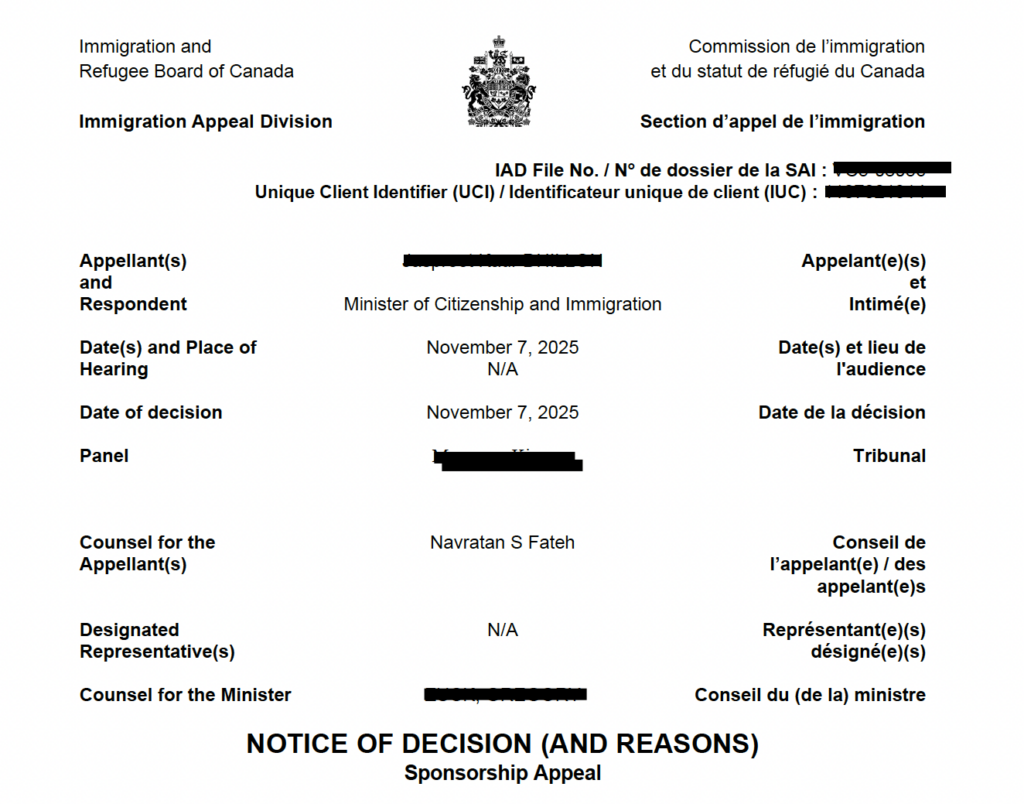
The Immigration Appeal Division plays a vital role in ensuring fairness in Canada’s immigration system. It serves as an independent tribunal with the power to overturn erroneous visa officer decisions.
Jurisdiction and Powers of the IAD
In spousal sponsorship appeals, the IAD may:
- Allow the appeal and approve the application
- Dismiss the appeal
- Allow the appeal on humanitarian and compassionate grounds
Importantly, the IAD can consider new evidence that was not before the visa officer. This includes updated relationship evidence, witness testimony, and expert evidence regarding cultural practices.
Consent Appeals
A consent appeal occurs when the Minister’s Counsel agrees that the refusal cannot be defended. This often happens when strong legal submissions and evidence are presented.
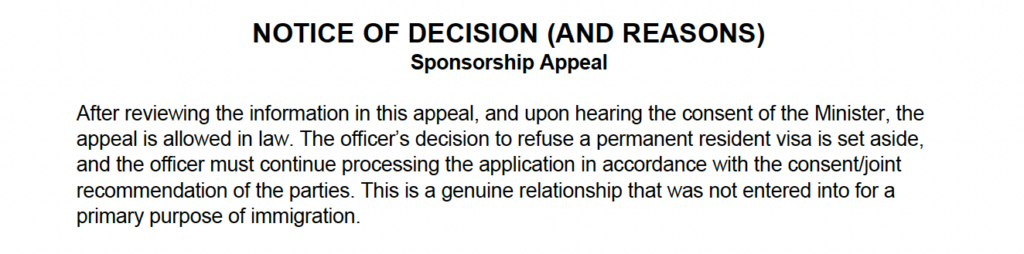
Fateh Law Corporation has successfully resolved numerous cases through consent, sparing clients the stress of a full hearing while achieving the same positive outcome.
Why Cultural Sensitivity Is Critical in Indian Spousal Appeals
Indian marriages are deeply rooted in culture, religion, and family structures. Western assumptions about romance, independence, and public displays of affection do not always apply.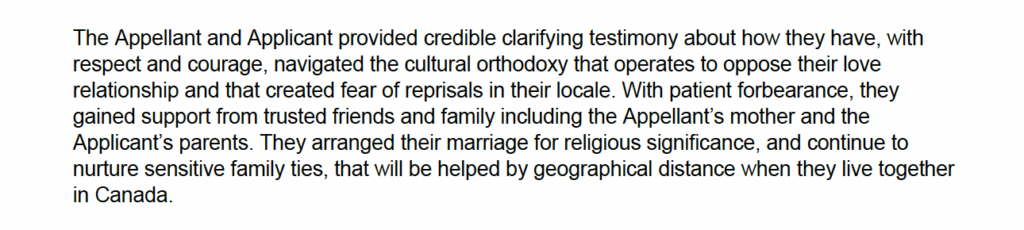
Arranged Marriages and Genuineness
Arranged marriages are a legitimate and widely accepted form of marriage in India. The absence of a long courtship does not indicate a lack of genuineness. Yet, visa officers frequently apply Western expectations, leading to flawed conclusions.
Family Opposition and Secrecy
In many cases, couples choose to keep their marriage private due to family opposition, caste considerations, or concerns about honour. These realities must be carefully explained and supported with evidence.
Mr. Fateh’s academic work on honour-based violence and cultural orthodoxy provides unique insight into these dynamics, allowing him to present such cases with sensitivity and credibility.
Case Study: A Sensitive Appeal Allowed on Consent
In a spousal sponsorship appeal argued in September 2025, Fateh Law Corporation represented a couple whose marriage was refused under Regulation 4. The visa officer concluded that the relationship was not bona fide due to the secrecy surrounding the marriage and limited family involvement.
The appeal required detailed evidence explaining cultural pressures, religious significance, and family dynamics. Both the sponsor and applicant provided credible testimony. Expert submissions addressed why secrecy was necessary and how family opposition did not negate the genuineness of the marriage.
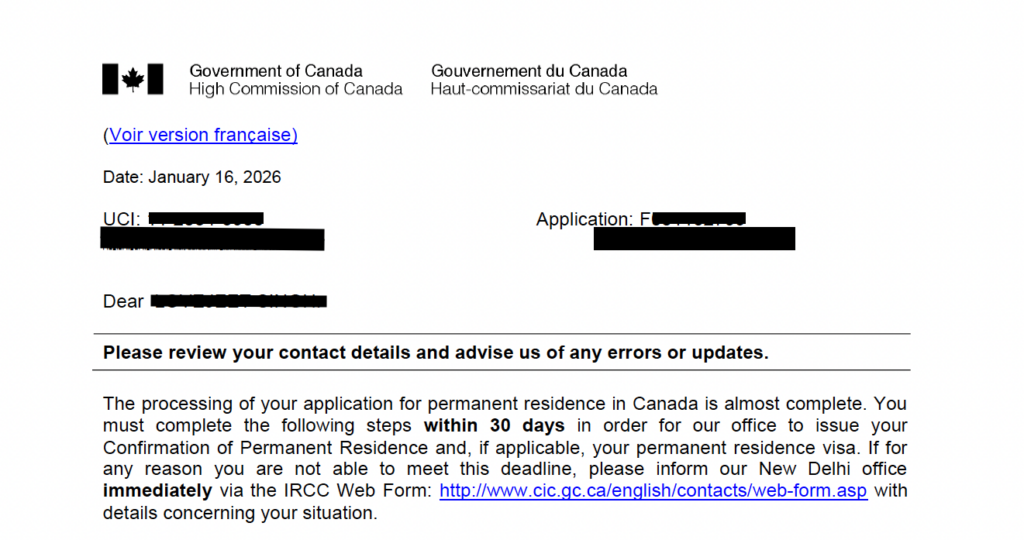
The Minister ultimately consented to the appeal. In January 2026, the applicant received a passport request and will soon reunite with their spouse in Canada.
Mr. Navratan Fateh: Experience That Matters
Mr. Fateh brings over twelve years of litigation experience before the Immigration Appeal Division and the Federal Court of Canada. He has also been an Advocate in India since 2012, providing him with first-hand knowledge of Indian legal systems and social realities.
This dual background allows Fateh Law Corporation to bridge the gap between Canadian immigration law and Indian cultural context—a critical advantage in spousal sponsorship appeals.
Remote Representation and Accessibility
All spousal sponsorship appeals can be conducted remotely by video. This allows Fateh Law Corporation to represent clients across Canada and abroad efficiently and effectively.
Choosing the Right Lawyer Matters
A spousal sponsorship appeal is not merely a legal process; it is a fight for family unity. Success requires more than familiarity with forms and procedures. It demands litigation skill, strategic judgment, and cultural understanding.
Fateh Law Corporation is uniquely positioned to represent sponsors facing spousal sponsorship refusals involving India. With proven results, deep legal knowledge, and cultural sensitivity, the firm provides clients with the strongest possible advocacy.
Sponsors considering an appeal or unsure whether to reapply are encouraged to seek professional advice without delay. Fateh Law Corporation welcomes inquiries and is committed to helping families reunite in Canada.
FAQs
What is Regulation 4 in spousal sponsorship cases?
Regulation 4 of the Immigration and Refugee Protection Regulations allows refusal of a spousal sponsorship application if the marriage is not genuine or was entered into primarily to obtain immigration status in Canada.
Can cultural practices affect spousal sponsorship decisions?
Yes, cultural practices such as arranged marriages, family involvement, or private ceremonies can affect how visa officers assess genuineness, particularly if these practices are misunderstood or not properly explained.
What is a consent appeal in spousal sponsorship cases?
A consent appeal occurs when the Minister agrees that the refusal decision cannot be defended, resulting in the appeal being allowed without a full hearing at the Immigration Appeal Division.
Can new evidence be submitted during a spousal sponsorship appeal?
Yes, the Immigration Appeal Division allows sponsors to submit new documents, testimony, and updated relationship evidence that was not before the visa officer at the time of refusal.
Is a spousal sponsorship appeal better than reapplying?
An appeal may be more effective than reapplying when a refusal is based on credibility findings, interview concerns, or misunderstandings, as the Immigration Appeal Division can hear oral testimony and reassess the evidence.