

Visa refusals often rely on generic, boilerplate reasons, even when the applicant is clearly well-established. This case is a strong example of how unreasonable decision-making by immigration officers can — and should — be challenged in the Federal Court of Canada.
Background of the Case
Our client is a well-known and established professional in India with a strong public profile. He had previously held a Temporary Resident Visa (TRV) for Canada without any issues.
 Despite this positive immigration history, his new TRV application was refused on three familiar grounds:
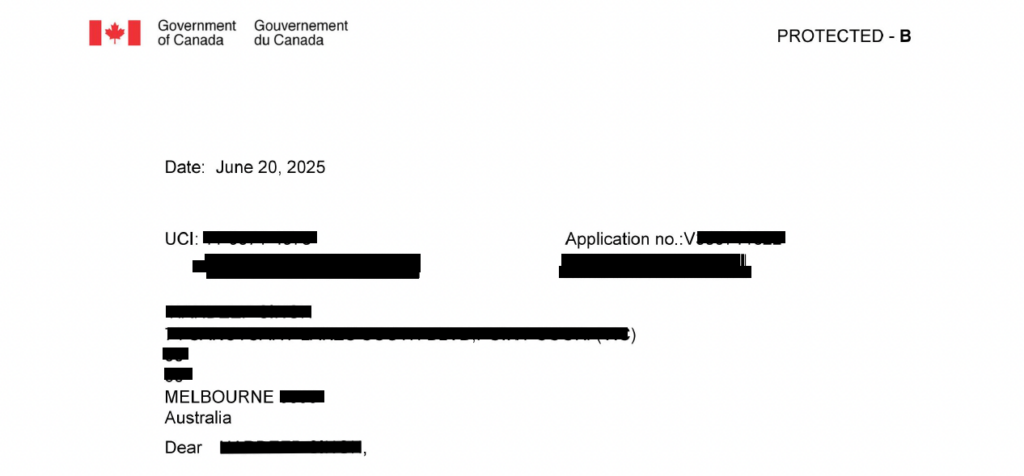
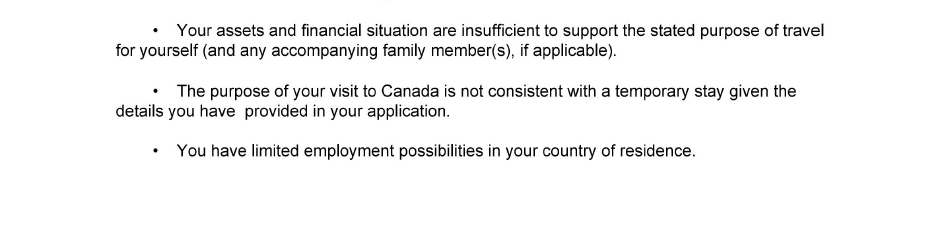
- Insufficient assets and financial situation
- Purpose of the visit is not consistent with a temporary stay
- Limited employment prospects in his country of residence
These refusal reasons are commonly used by visa officers — but in this case, they were completely disconnected from the evidence on file.
Why the Refusal Was Unreasonable
The applicant was not only financially stable but also professionally and socially well established in India. He runs a successful YouTube channel with over 30,000 subscribers, demonstrating strong economic activity, public engagement, and clear ties to his home country.
The officer failed to meaningfully assess:
- The applicant’s professional standing
- His digital presence and income-generating activities
- His previous compliance with Canadian immigration laws
- The overall credibility of his temporary travel plans
Instead, the refusal relied on generic conclusions, without properly weighing the evidence — a clear breach of Canadian administrative law principles.
Taking the Matter to the Federal Court of Canada
At Fateh Law Corporation, we challenged this refusal by filing an Application for Leave and Judicial Review in the Federal Court of Canada.
Our legal arguments focused on:
- Failure to assess material evidence
- Unreasonable findings regarding financial stability
- Ignoring clear indicators of strong home-country ties
- Making conclusions unsupported by the record
When it came time for the Department of Justice to respond and defend the refusal, they chose not to argue the case.
Settlement Achieved: December 4
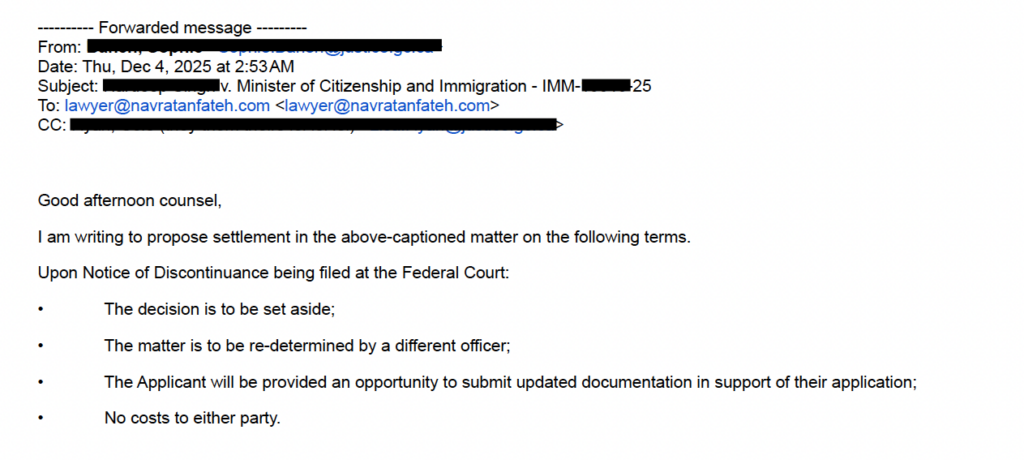
On December 4, we received a settlement offer from the Department of Justice confirming that:
✔️ The refusal decision was set aside
✔️ The application would be re-determined by a different visa officer
✔️ The applicant would be given an opportunity to update documentation
This outcome itself confirmed what we argued from the beginning — the refusal could not withstand judicial scrutiny.
An Exceptional Result After Settlement
In most Federal Court settlements, IRCC issues an Additional Document Request (ADR) to allow applicants to update their file.
However, in this case:
- The application had been thoroughly prepared from the outset
- All required evidence was already on record
- No additional documents were requested by IRCC
Instead, IRCC directly issued a Passport Request on January 15.
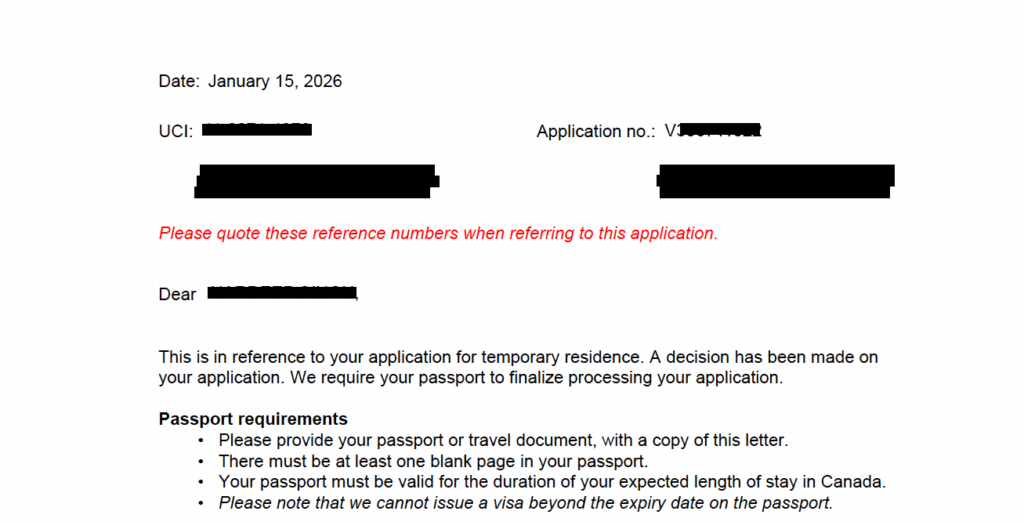
This was a particularly strong result because the client’s proposed travel was for July, yet the approval came months ahead of schedule.
What This Case Teaches Applicants
This case reinforces several important points:
- Visa officers cannot invent standards or ignore evidence
- Prior TRV history must be properly considered
- Financial and employment assessments must be reasonable and evidence-based
- Unfair refusals are not final — they can be overturned
Most importantly, Federal Court litigation works when handled correctly.
Why Choose Fateh Law Corporation
At Fateh Law Corporation, we focus on complex refusals and Federal Court litigation. With over 12 years of experience, we have successfully challenged:
- TRV refusals
- Study permit refusals
- Work permit refusals
- Sponsorship refusals
- PRTD and residency obligation decisions
We do not rely on templates or generic arguments. Every case is analyzed through the lens of administrative law, procedural fairness, and reasonableness — the same standards applied by the Federal Court of Canada.
Have You Been Refused a Visa?
If your Canadian visa has been refused and you believe the decision is unfair, unreasonable, or poorly explained, you may have the right to challenge it in the Federal Court of Canada.
📞 Contact Fateh Law Corporation to assess your refusal and determine whether judicial review is the right strategy for you.
A refusal does not have to be the end — with the right legal strategy, it can be the beginning of a successful outcome.