


Visitor visa refusals based on “source of funds” have become one of the most common—and most misunderstood—grounds used by Canadian immigration officers. At Fateh Law Corporation, we increasingly see cases where applicants are refused not because evidence is missing, but because the officer chooses to disregard or mistrust evidence that is already on file.
This blog discusses a real Federal Court case we are currently litigating, why the refusal was legally flawed, and how challenging unreasonable decisions in the Federal Court of Canada can force accountability.
The Case: Multiple Refusals Despite Clear Financial Evidence
Our client applied for a Canadian Visitor Visa to travel with his wife for a three-month visit. Despite submitting a strong and transparent application, his visa was refused repeatedly on the same ground: source of funds.
What the officer claimed

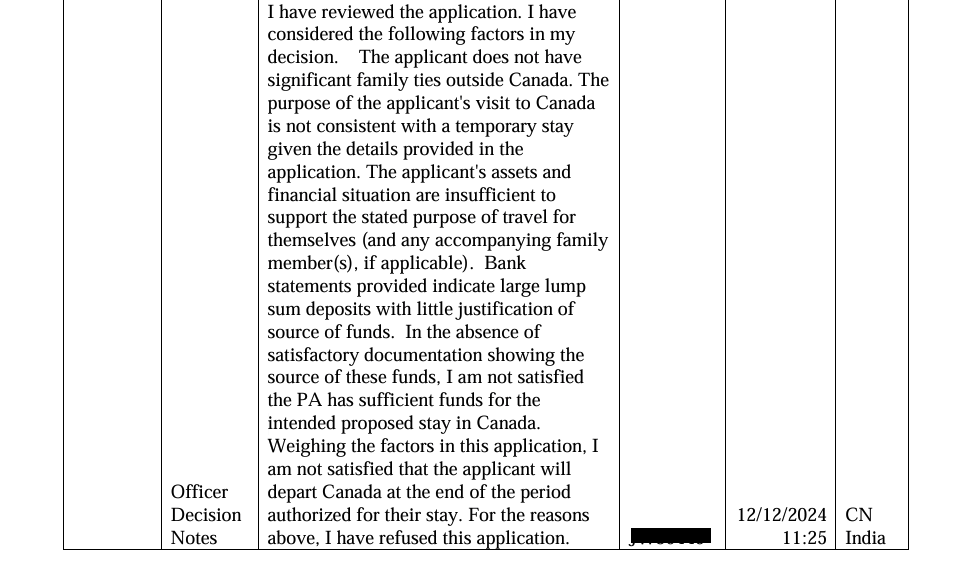
In the refusal reasons, the officer stated that:
- The bank statements showed large lump-sum deposits
- There was insufficient justification for the source of funds
- The officer was not satisfied the applicant had sufficient funds for travel
What was actually submitted
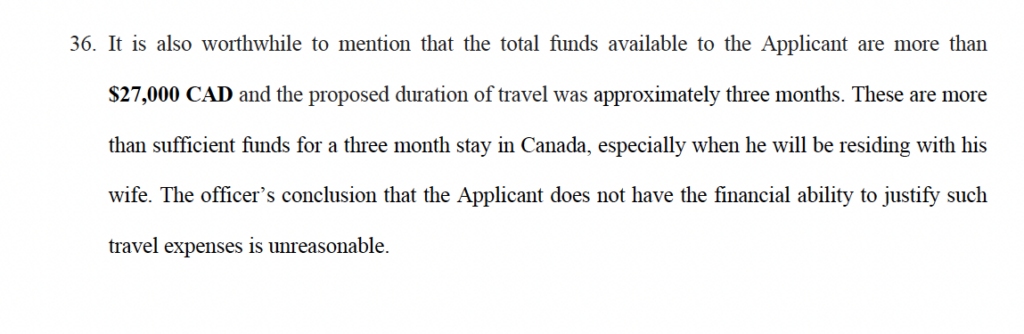
The record clearly showed:
- CAD $27,000 available for travel
- Funds more than adequate for a three-month visit for two people
- A clear paper trail showing the money was gifted by the applicant’s father
- A formal gift deed affidavit executed by the father
- Bank statements, transfer records, and explanations tying every transaction together
This was not a case of missing documents.
This was a case where existing evidence was ignored.
Sufficiency vs. Credibility: A Critical Legal Distinction
Many applicants believe refusals happen due to “insufficient documents.” In reality, the issue is often credibility, not quantity.
- Sufficiency of evidence asks: Is there enough material on file?
- Credibility of evidence asks: Does the officer believe the material?
In this case, the officer:
- Did not dispute that documents were submitted
- Did not request further clarification
- Simply dismissed the evidence without meaningful analysis
Canadian immigration law does not allow officers to ignore relevant evidence or make blanket findings without engaging with the record.
That is where judicial review becomes essential.
Taking the Fight to Federal Court
Because repeated refusals were clearly unreasonable, Fateh Law Corporation challenged the decision in the Federal Court of Canada.
In court, we raised a critical question:
If all of these documents were submitted, why were they not addressed in the refusal reasons?
A Major Development: Federal Court Grants a Production Order


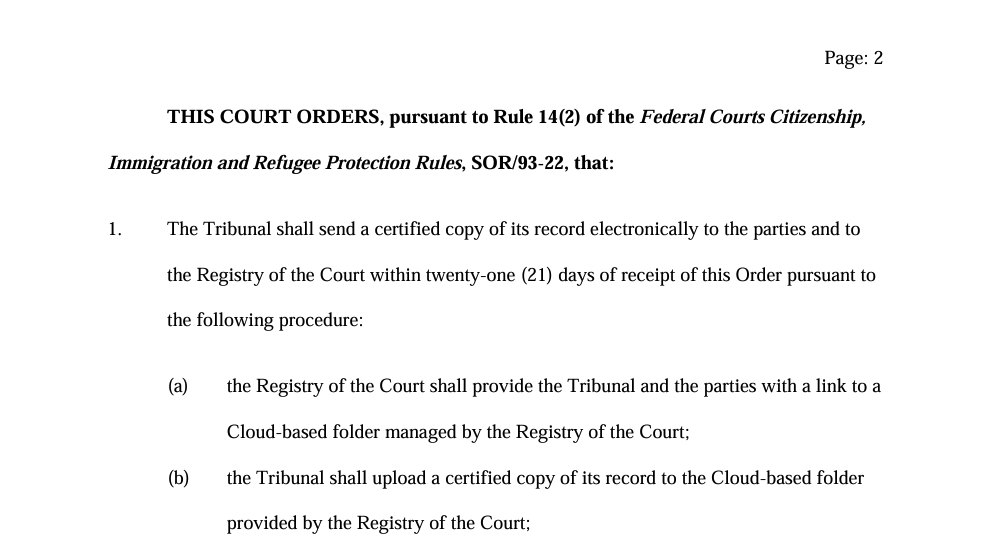
On December 19, the Federal Court issued a Production Order, directing Immigration, Refugees and Citizenship Canada (IRCC) to produce the entire certified tribunal record within 21 days.
Why a Production Order matters
A Production Order allows:
- The Court to verify exactly what documents were before the officer
- A review of whether evidence was ignored, misunderstood, or missing
- Accountability when refusal reasons do not match the actual record
This is a powerful procedural step and a strong indication that the Court is taking the concerns seriously.
While leave has not yet been granted, this order itself confirms that the case raises serious legal questions.
Rising Wrongful Refusals: A Systemic Problem
We are seeing an alarming increase in visitor visa refusals where:
- Funds are clearly available
- Family ties are genuine
- Documentation is complete
- Refusal reasons are generic, repetitive, and disconnected from the evidence
For many families, this means prolonged separation, emotional distress, and financial loss.
Canadian immigration law recognizes family reunification as a core objective—yet that objective is often sidelined by mechanical decision-making.
Why Legal Strategy From the Start Matters
This case highlights a crucial lesson:
If you apply without a legal strategy, you may lose your chance to fight later.
At Fateh Law Corporation, we ensure that:
- Applications are supported by Canadian affidavits
- Financial evidence is legally contextualized
- Detailed legal submissions guide the officer’s analysis
- The record is built with Federal Court review in mind
When IRCC still makes an error, we are prepared to challenge the decision in court within strict deadlines.
If You Don’t Fight, You Don’t Get Justice
Judicial review is not about confrontation—it is about accountability.
A Production Order, like the one granted in this case, is proof that:
- Immigration decisions are not immune from scrutiny
- Applicants do have rights
- Courts can and do intervene when decisions are unreasonable
Our client deserves the opportunity to reunite with his wife in Canada—and we will continue fighting to ensure that outcome is lawfully assessed.
Facing a Visitor Visa Refusal Based on Source of Funds?
If your visitor visa has been refused:
- Multiple times
- On vague “source of funds” grounds
- Despite complete documentation
You may have a strong Federal Court case.
📞 Contact Fateh Law Corporation to assess whether your refusal is unreasonable and whether it should be challenged in the Federal Court of Canada.
Because in Canadian immigration—justice only comes to those who assert their rights.