

When Visiting Canada Feels Impossible
For many families, a simple visit to Canada should not be a battle. Parents want to travel with their children, reunite with loved ones, or attend important life events. Yet, for thousands of applicants, Immigration, Refugees and Citizenship Canada (IRCC) turns that dream into heartbreak with repeated refusals—often rushed, unreasonable, or even AI-driven.
This is the story of a family of three, including a young daughter, who faced multiple Visitor Visa refusals from IRCC. Their journey to justice lasted almost 18 months and required two separate Federal Court battles. With the relentless legal advocacy of Fateh Law Corporation, they finally received their passport request and approval in September 2025.
Background: A Family’s Dream to Visit Canada
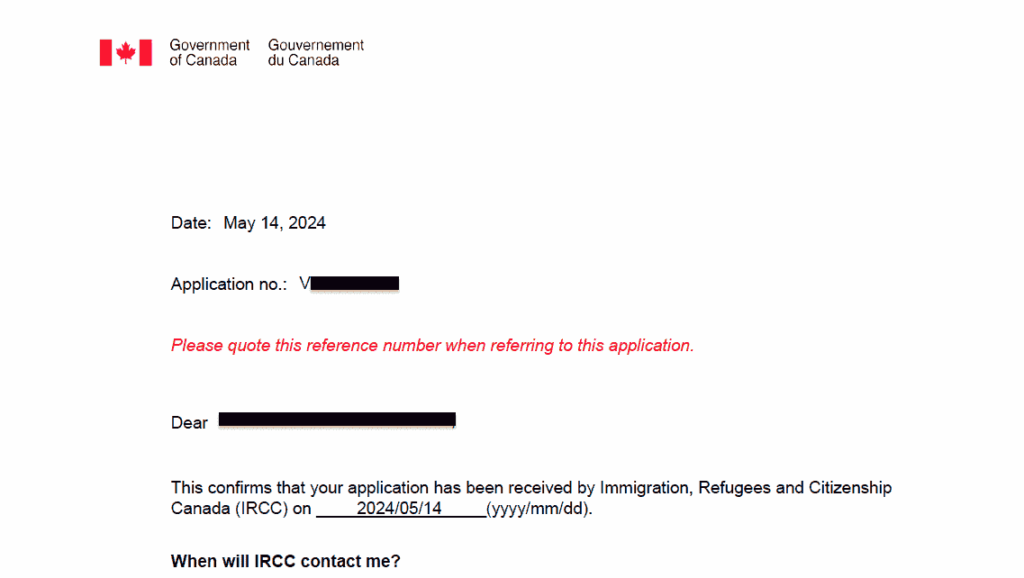
On May 14, 2024, this family applied for a Canadian visitor visa through Fateh Law Corporation. Within only 9 days—on May 23, 2024—IRCC issued a refusal. Such a rushed decision suggested the heavy involvement of artificial intelligence systems in visa processing, a growing concern in Canadian immigration law.
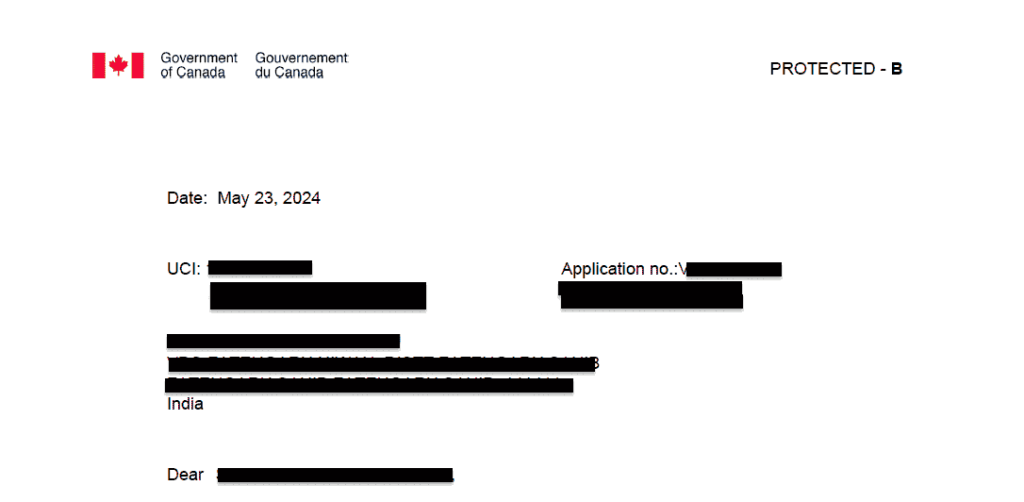
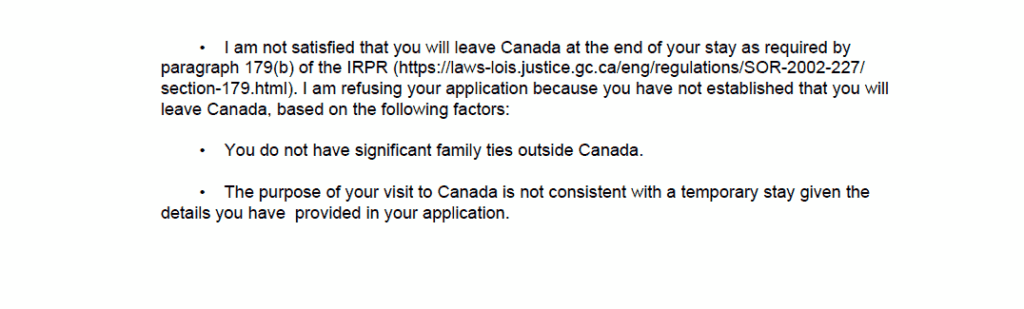
The grounds? Alleged issues with family ties and purpose of visit—generic refusal reasons used by IRCC in thousands of applications.
First Federal Court Fight: Challenging the Family Ties Refusal
Refusing to accept this unjust decision, our team filed a writ of certiorari in the Federal Court of Canada. We argued that the refusal was arbitrary, lacked proper consideration, and failed to meet the legal standard of reasonableness.
In September 2024, the Department of Justice agreed to a settlement. This meant IRCC had to redetermine the file fairly.
But the fight was far from over.
Five Months of Delay: Forcing IRCC to Act with Mandamus
Despite the settlement, IRCC dragged its feet. For five long months, no new decision was issued. Families should not be left in limbo like this, especially after a court-directed settlement.
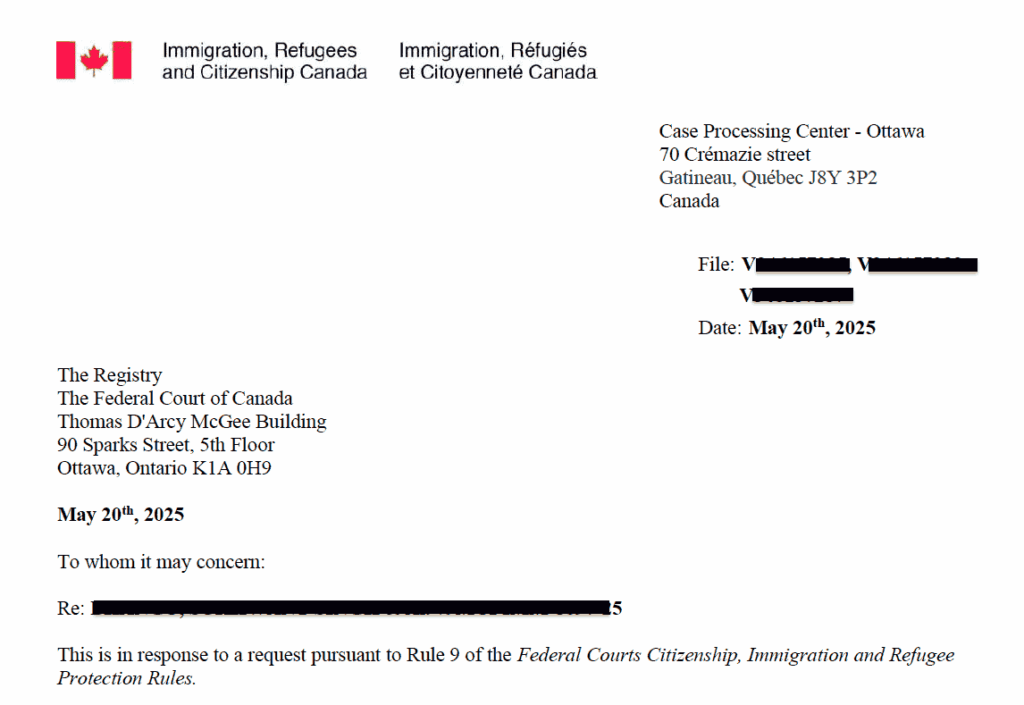
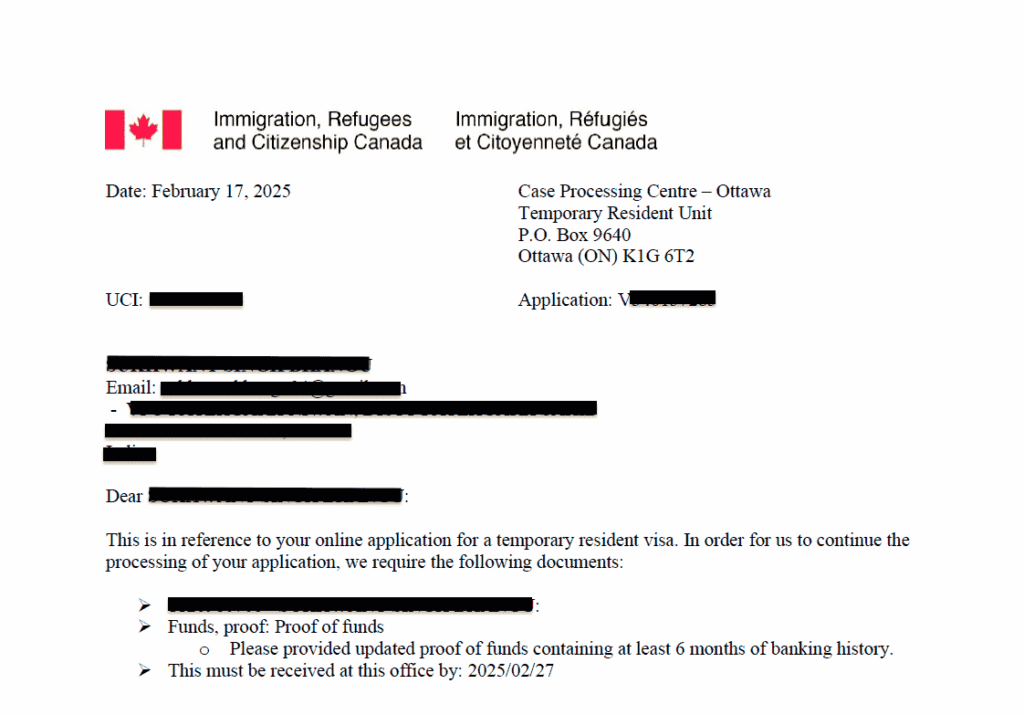
On February 12, 2025, Fateh Law Corporation filed a writ of mandamus, a powerful legal remedy used to compel IRCC to act. Within days, IRCC responded. On February 17, 2025, they requested proof of funds. The family promptly provided strong financial documentation.
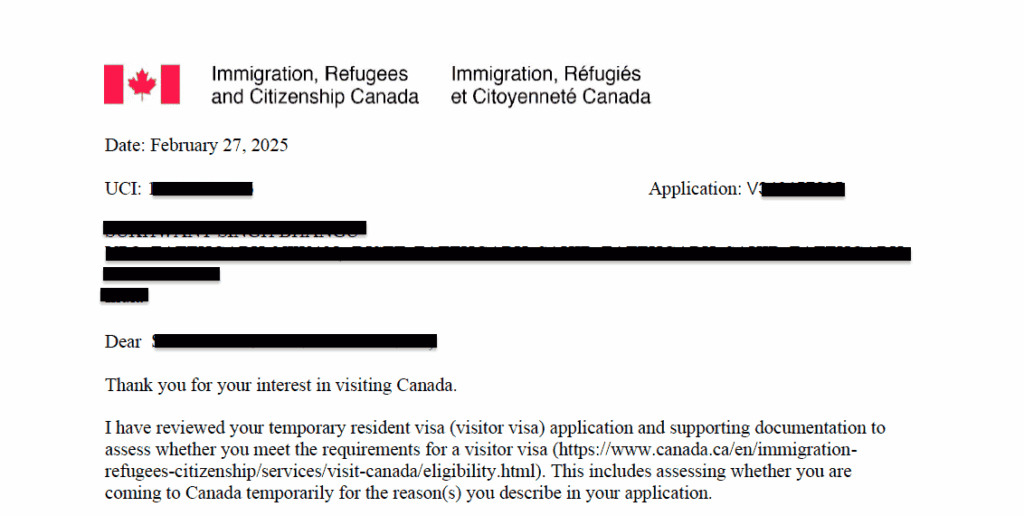
Yet, on February 27, 2025—barely 10 days later—IRCC refused again, claiming insufficient proof of funds despite the evidence provided.
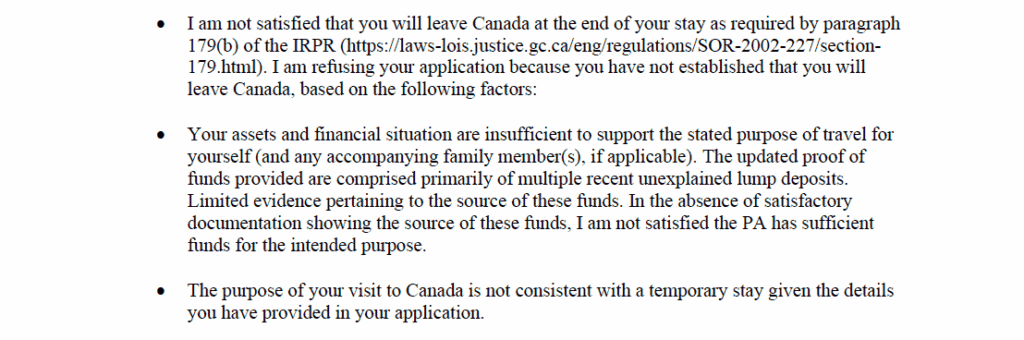
Second Round: Another Refusal, Another Court Battle
The family requested a reconsideration. But on February 17, 2025, IRCC again refused, dismissing their submissions.
Heartbroken, but determined, the family turned to us once again. We filed a second writ of certiorari, challenging the repeated unfair refusal and even seeking costs against IRCC for forcing unnecessary litigation.
Courts have long criticized this “ping-pong” game—where cases bounce back and forth between the Court and IRCC, wasting time, money, and peace of mind for families
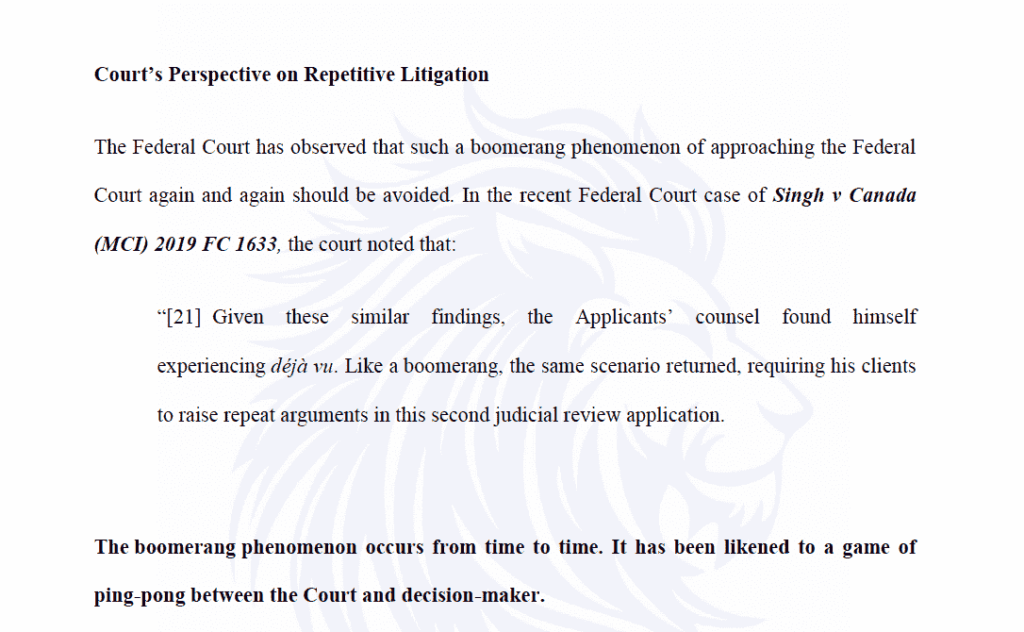
Once again, the Department of Justice settled, and IRCC had to redetermine the file a second time.
Justice Delivered: Final Passport Request
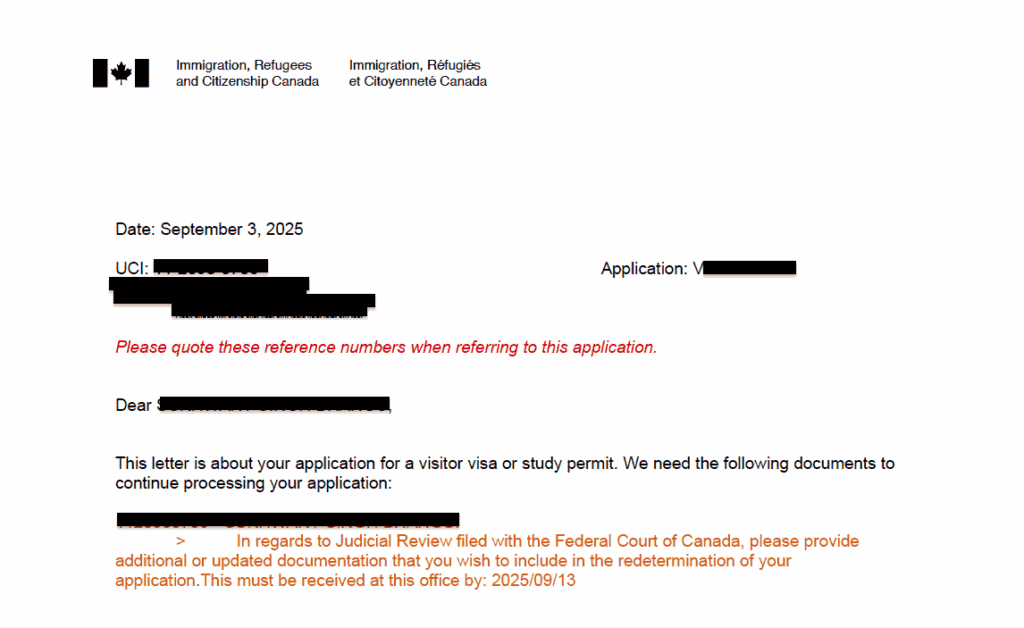
Finally, on September 3, 2025, IRCC requested additional documents. This time, our submissions were clear: if another wrongful refusal occurred, we would not accept a third settlement—we would return to Court and demand a judgment with costs.
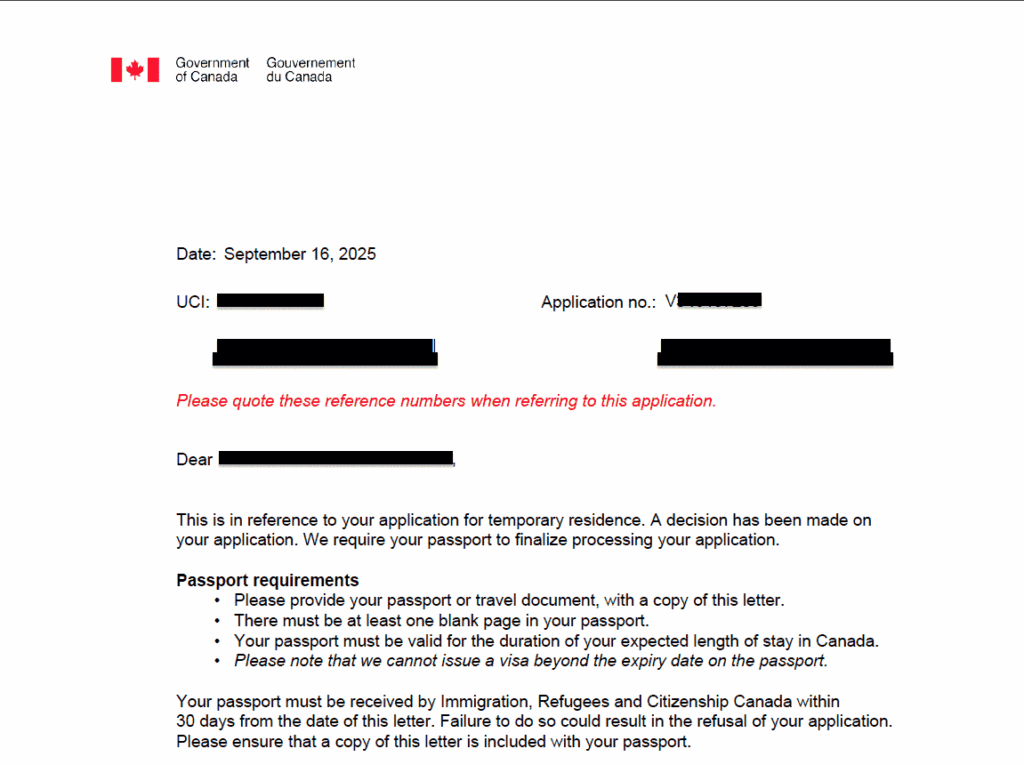
This firm stance worked. On September 16, 2025, IRCC issued the long-awaited passport request and approval. After nearly a year and a half of legal battles, this family could finally travel to Canada.
Lessons from This Case: Why Legal Representation Matters
This case highlights several important lessons for anyone facing repeated refusals from IRCC:
- Quick Refusals Can Be Wrongful – When decisions are made in days, often using AI, they may lack fairness and proper reasoning.
- Federal Court Is a Remedy – A writ of certiorari can overturn unreasonable refusals, and mandamus can compel IRCC to act.
- Repeated Litigation Is a Burden – Courts themselves have said these repeated refusals disturb applicants’ mental peace.
- Persistence Pays Off – Justice is not always immediate, but with persistence and proper legal advocacy, it can be achieved.
Why Choose Fateh Law Corporation?
Unlike many consultants or firms that stop after a refusal, Fateh Law Corporation is committed to fighting until the end. Here’s why families trust us:
- Over 12 years of litigation experience in Canada – Mr. Navratan Singh Fateh has successfully argued complex immigration cases before the Federal Court of Canada.
- Dual presence in Canada and India – Our Chandigarh office allows us to collect documents, prepare affidavits, and meet clients face-to-face.
- Courtroom courage – We are not afraid of challenging IRCC in the Federal Court when decisions are unjust.
- Proven results – From refusals to approvals, our track record speaks for itself.
Don’t Give Up After Multiple Refusals
If your Canadian immigration file is genuine but repeatedly refused, don’t accept defeat. Many refusals can be overturned in the Federal Court of Canada.
This family’s journey shows that IRCC often gives up before our clients do—when backed by experienced litigation. With strong advocacy, persistence, and legal strategy, justice can prevail.
📲 Contact Fateh Law Corporation today to book your paid consultation at www.navratanfateh.com.